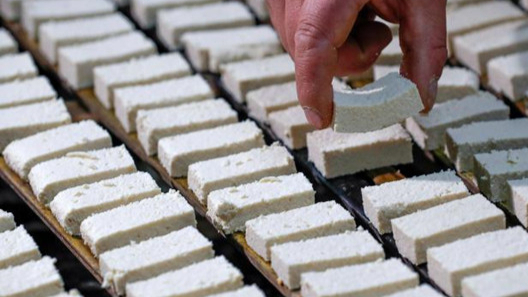
Traditional Tofu Making Technique
Introduction
Tofu, a staple in Asian cuisine, is renowned for its versatility and nutritional benefits. It is a product derived from soybeans and is crafted through a meticulous process that has been refined over generations. Traditional tofu making techniques are revered for maintaining the authentic taste and texture of tofu, which is often lost in modern mass production. These age-old methods involve a deep understanding of soybeans, precise timing, and the use of specific tools to create this beloved food product.
History of Tofu
The history of tofu can be traced back over two millennia, originating in China during the Han Dynasty (206 BC-AD 220). It is believed that tofu was discovered accidentally when a cook added nigari (a coagulant found in seawater) to a pot of cooked soybeans. Over the centuries, tofu spread throughout Asia, with each region adapting the basic process to suit local tastes and dietary preferences. By the time of the Qing Dynasty (1644-1911), tofu had become a significant part of Chinese culinary culture, as evidenced by various historical records and the popularity of dishes that feature tofu as a central ingredient.
Ingredients and Tools
The primary ingredient in traditional tofu making is soybeans, which are soaked, ground, and cooked to produce soy milk. Other essential ingredients include water and a coagulant, typically gypsum or nigari, which is crucial for curdling the soy milk into tofu. The tools required for traditional tofu making are simple yet effective. They include stone mills for grinding the soybeans, large pots for cooking, and wooden molds for shaping the tofu. Cheesecloth is used to strain the soy milk and shape the tofu during the pressing stage.
Traditional Tofu Making Process
Soaking and Grinding Soybeans
The tofu-making process begins with selecting high-quality soybeans. These beans are soaked in water for several hours, usually overnight, to soften them. This step is crucial as it prepares the beans for grinding, which is done using a stone mill or a modern equivalent to produce a thick soybean paste. The grinding process breaks down the beans and helps release the soy milk, which is the base for tofu.
Cooking and Coagulation
Once the soybeans are ground, the resulting paste is boiled to extract the soy milk. The paste is typically wrapped in cheesecloth and squeezed to separate the milk from the bean pulp, known as okara. The soy milk is then brought to a boil in large pots. After boiling, the milk is combined with a coagulant like gypsum or nigari, which initiates the curdling process. The mixture is left to cool slightly, allowing the curds to form, which will eventually be pressed into tofu.
Pressing and Molding
The curds are carefully ladled into wooden molds lined with cheesecloth. These molds are designed to shape the tofu while allowing excess whey to drain away. A wooden lid is placed on the curds, and weights are applied to press out additional liquid, resulting in a firmer texture. The pressing time determines the firmness of the tofu, with longer pressing times producing firmer tofu varieties.
Regional Variations
Tofu making has evolved to reflect the diverse culinary traditions of different regions. In Rugao, for example, Motou tofu is a prominent variety, known for its tender texture and rich soybean flavor. This tofu is a staple in local diets, with workshops preserving the traditional methods passed down for over a century. Meanwhile, in Changsha, stinky tofu is a local delicacy, notorious for its pungent odor but adored for its unique taste. The fermentation process used in making stinky tofu is distinct and contributes to its strong flavor profile.
In Huizhou district, hairy tofu is another regional specialty, characterized by its white mold covering, which forms during fermentation. Each of these regional variations demonstrates the adaptability of tofu to different climates and culinary preferences, showcasing the diverse cultural heritage surrounding this simple bean curd.
Cultural Significance
Tofu holds a significant place in the culinary and cultural landscapes of East Asia. In China, tofu is more than just a food item; it is a symbol of resourcefulness and tradition. The practice of making tofu is often passed down through generations, with families like the Shens in Rugao treating it as a legacy that connects them to their ancestors. Tofu also features prominently in various cultural and religious practices, often being used in vegetarian dishes during Buddhist rituals and festivals.
In addition to its cultural roots, tofu has become an integral part of the contemporary food scene, celebrated for its adaptability in both traditional dishes and modern fusion cuisines. It serves as an essential source of protein for vegetarians and vegans, further cementing its importance in today's dietary practices.
Modern Adaptations
While traditional tofu making methods are cherished for their authenticity, modern adaptations have emerged to meet the demands of contemporary lifestyles and dietary trends. Innovations in tofu production have led to the creation of various types, such as silken tofu, firm tofu, and flavored tofu products. These adaptations cater to different culinary uses and preferences, making tofu accessible to a broader audience.
In commercial settings, tofu production has been streamlined with the use of machinery that can produce large quantities efficiently. Despite these advancements, there remains a dedicated following for artisanal tofu, with consumers seeking out products that are made using traditional methods for their superior taste and texture.
Health Benefits
Tofu is celebrated not only for its culinary versatility but also for its numerous health benefits. It is a rich source of plant-based protein, making it an excellent addition to vegetarian and vegan diets. Tofu is also low in calories and contains no cholesterol, making it heart-friendly. It is an excellent source of iron, calcium, and other essential minerals and isoflavones, which are believed to have health-promoting properties.
Studies have shown that regular consumption of tofu and other soy products can contribute to reduced risks of heart disease, improved bone health, and a lower risk of certain types of cancer. These health benefits, along with its adaptability in various dishes, make tofu a valuable component of a healthy and balanced diet.








